
Corken Pumps: Reliable Pumping Solutions for Industrial and Commercial Applications
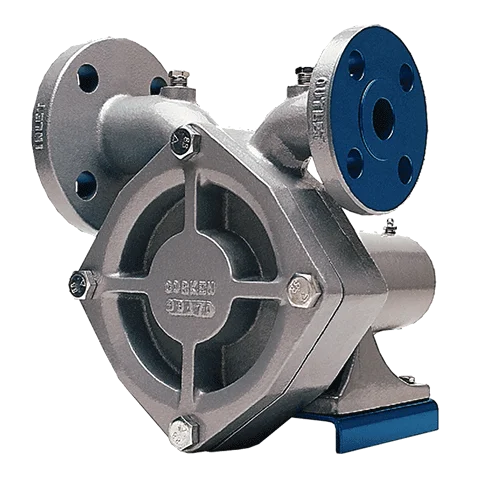
Corken Pumps: Industry-Leading Performance for Demanding Operations
When it comes to transferring liquids and gases in demanding industrial environments, Corken Pumps have earned a reputation for exceptional reliability, efficiency, and durability. Industries such as oil and gas, LPG, chemical processing, refrigeration, petrochemicals, and manufacturing rely on Corken pumps to handle critical fluid transfer operations safely and efficiently.
Designed with decades of engineering expertise, Corken pumps are known for their robust construction, precision performance, and ability to operate under challenging conditions. Whether your application requires handling liquefied petroleum gas (LPG), ammonia, propane, butane, carbon dioxide, or industrial chemicals, Corken offers specialized pumping solutions that maximize productivity while minimizing maintenance.
In this article, we’ll explore what Corken pumps are, their key features, major applications, advantages, available types, maintenance practices, and how to choose the right model for your operation.
What Are Corken Pumps?
Corken pumps are high-performance industrial pumps designed to move liquids and gases with exceptional accuracy and efficiency. Manufactured using advanced engineering and premium materials, these pumps are widely recognized for handling volatile, hazardous, and high-value fluids safely.
Unlike standard industrial pumps, Corken products are engineered specifically for applications requiring:
- High pressure
- Low NPSH requirements
- Vapor recovery
- LPG transfer
- Refrigeration systems
- Cryogenic operations
- Chemical processing
Their innovative designs reduce product loss, improve energy efficiency, and ensure reliable operation even under continuous industrial workloads.
Key Features of Corken Pumps
Exceptional Durability
Corken pumps are built using high-quality cast iron, ductile iron, stainless steel, and specialized alloys designed to withstand harsh industrial environments.
High Efficiency
The internal engineering minimizes energy consumption while maximizing flow rates, helping companies reduce operational costs over time.
Low Maintenance Requirements
Many Corken pump models feature replaceable wear parts, heavy-duty bearings, and simple maintenance procedures that minimize equipment downtime.
Reliable Sealing Systems
Advanced sealing technologies reduce leakage risks when handling hazardous or valuable fluids.
Excellent Vapor Handling
Unlike many conventional pumps, Corken pumps efficiently manage vapor without significant performance loss.
Long Service Life
Properly maintained Corken pumps often operate reliably for many years, making them an excellent long-term investment.
Common Applications of Corken Pumps
Oil and Gas Industry
Corken pumps play an essential role in transporting:
- Liquefied petroleum gas (LPG)
- Propane
- Butane
- Natural gas liquids
- Condensates
Their dependable operation helps maintain efficient fuel distribution systems.
Chemical Processing
Chemical plants require pumps capable of handling corrosive and hazardous liquids safely. Corken pumps provide dependable performance while maintaining product integrity.
Refrigeration Systems
Industrial refrigeration frequently uses ammonia and refrigerants that require specialized pumping equipment. Corken’s designs are optimized for these demanding applications.
Petrochemical Facilities
Petrochemical operations often involve transferring volatile hydrocarbons under pressure. Corken pumps offer consistent flow and enhanced operational safety.
Industrial Manufacturing
Manufacturing facilities use Corken pumps for transferring solvents, lubricants, specialty chemicals, and process fluids across production systems.
LPG Distribution
Fuel terminals, bulk plants, cylinder filling stations, and transportation companies commonly depend on Corken pumps for safe LPG transfer.
Types of Corken Pumps
Corken manufactures several pump designs to meet different industrial requirements.
Sliding Vane Pumps
Sliding vane pumps are among Corken’s most popular products due to their:
- Smooth operation
- High efficiency
- Excellent suction capability
- Self-adjusting vanes
- Long operational life
These pumps are commonly used for LPG and fuel transfer applications.
Regenerative Turbine Pumps
Regenerative turbine pumps are ideal for:
- Low-flow applications
- High-pressure operations
- Liquefied gas handling
- Industrial refrigeration
Their ability to maintain pressure under varying conditions makes them highly versatile.
Positive Displacement Pumps
Positive displacement designs deliver consistent flow regardless of pressure fluctuations, making them suitable for demanding industrial environments.
Specialty Pumps
Corken also manufactures specialized pumps for unique industrial applications requiring customized performance characteristics.
Benefits of Choosing Corken Pumps
Improved Operational Safety
Safety remains one of the primary reasons industries choose Corken pumps. Their engineered sealing systems and reliable construction reduce leakage and minimize environmental risks.
Reduced Downtime
Reliable performance translates into fewer unexpected breakdowns, allowing facilities to maintain continuous production schedules.
Energy Savings
Efficient hydraulic designs lower energy consumption compared to many conventional pumping systems.
High Reliability
Corken pumps are engineered for continuous-duty operation, providing dependable performance around the clock.
Lower Lifetime Costs
Although premium industrial pumps may involve higher initial investment, their long service life and lower maintenance costs often result in reduced total ownership expenses.
How to Select the Right Corken Pump
Choosing the appropriate Corken pump depends on several operational factors.
Fluid Type
Determine whether the pump will handle:
- LPG
- Ammonia
- Chemicals
- Refrigerants
- Hydrocarbons
- Industrial liquids
Different fluids require different material compatibility.
Flow Rate Requirements
Estimate the required gallons per minute (GPM) or liters per minute (LPM) to ensure adequate system capacity.
Operating Pressure
Select a pump capable of maintaining required discharge pressure without excessive wear.
Temperature Conditions
Applications involving cryogenic or elevated temperatures require specialized pump designs.
Installation Environment
Consider indoor or outdoor installation, hazardous area classifications, and available maintenance access.
Maintenance Requirements
Facilities with limited maintenance personnel often benefit from pump models designed for simplified servicing.
Routine Maintenance Tips
Regular maintenance extends equipment life and improves operational efficiency.
Inspect Seals Regularly
Check seals for signs of wear or leakage before small issues become costly repairs.
Lubricate Bearings
Follow manufacturer recommendations for proper lubrication intervals.
Monitor Vibration
Unexpected vibration may indicate alignment issues, worn bearings, or internal component wear.
Check Pump Performance
Monitor:
- Flow rate
- Pressure
- Noise levels
- Temperature
Performance changes often provide early warning signs of maintenance needs.
Replace Worn Components
Sliding vanes, seals, bearings, and gaskets should be replaced according to maintenance schedules.
Keep Equipment Clean
Prevent dirt and debris from entering the pump system by maintaining clean operating conditions.
Why Industries Trust Corken Pumps
Corken has built a global reputation by consistently delivering equipment that meets demanding industrial standards.
Industries appreciate Corken pumps because they offer:
- Proven engineering
- Reliable performance
- Long service life
- Worldwide support
- Excellent spare parts availability
- Strong safety record
These qualities make Corken a preferred choice for companies that cannot afford equipment failure.
Signs It’s Time to Replace Your Pump
Even the best industrial pumps eventually require replacement. Common warning signs include:
- Frequent repairs
- Reduced flow rates
- Increased vibration
- Excessive noise
- Seal failures
- Higher energy consumption
- Corrosion or internal wear
Replacing aging equipment before catastrophic failure can significantly reduce operational risks.
Future Innovations in Corken Pump Technology
Industrial pumping technology continues evolving with greater emphasis on:
- Smart monitoring systems
- Predictive maintenance
- Improved energy efficiency
- Digital performance diagnostics
- Enhanced corrosion resistance
- Reduced emissions
- Sustainable industrial operations
Modern Corken pump systems increasingly integrate with automated plant monitoring systems, helping operators detect issues before they impact production.
Conclusion
Corken Pumps continue to set the standard for reliable industrial fluid transfer across numerous industries. Their combination of durability, efficiency, safety, and long-term performance makes them an excellent investment for businesses that demand dependable pumping solutions.
Whether you’re handling LPG, industrial chemicals, ammonia, refrigerants, or petrochemical products, Corken pumps deliver the precision and reliability required for modern industrial operations. By selecting the right model, following recommended maintenance practices, and investing in quality equipment, companies can improve operational efficiency, reduce downtime, and achieve lower long-term operating costs.
For industries where performance, safety, and reliability are non-negotiable, Corken pumps remain one of the most trusted names in industrial pumping technology.