
A Second Life for Heavy Industry: Why Used Refinery and Chemical Equipment Is in Demand
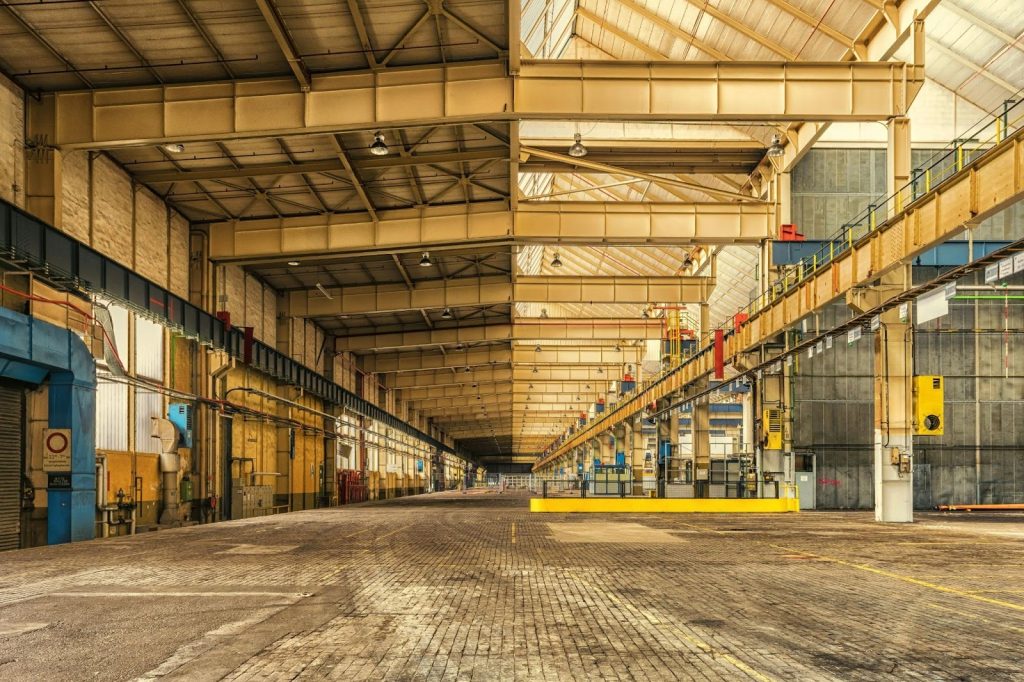
Walk through any modern refinery or chemical plant, and you’ll notice something interesting—everything is engineered for endurance. These facilities are built to run continuously, often for decades, with equipment designed to withstand extreme temperatures, pressure, and corrosive materials.
Yet even in these environments, machinery gets replaced long before it fails. Upgrades, process changes, and economic shifts can leave behind equipment that still has years of productive life. That reality is reshaping how manufacturers think about sourcing.
Instead of defaulting to new systems, many companies are turning to used refinery and chemical plant equipment as a practical, strategic solution. It’s not just about cost—it’s about making smarter use of what already exists.
Understanding the Lifecycle of Refinery and Chemical Equipment
Built for Harsh Conditions
Equipment used in refineries and chemical plants is engineered to operate under some of the toughest conditions in industry. Reactors, distillation columns, compressors, and heat exchangers are designed for durability and long-term performance.
Because of this, most systems outlast their original purpose. They are often replaced not due to failure, but because operational requirements have changed.
Why Equipment Becomes Available
Facilities evolve over time. A refinery may modernize its processes, or a chemical plant might shift production toward different products. When that happens, existing equipment may no longer fit the new setup.
This creates a steady supply of high-quality machinery that can be repurposed elsewhere, offering value far beyond its original application.
The Shift Toward Smarter Equipment Sourcing
Moving Beyond Traditional Procurement Models
For decades, sourcing equipment meant ordering new systems and waiting for them to be manufactured and delivered. While reliable, this approach can be slow and capital-intensive.
Used equipment offers an alternative. It allows companies to access machinery that is already built and tested, reducing both cost and lead time.
Responding to Industry Dynamics
Manufacturing industries are influenced by changing demand, regulatory requirements, and technological advancements. Data from sources like industry statistics on manufacturing sectors and trends highlight how production levels can fluctuate.
In this environment, flexibility becomes essential. Used equipment enables manufacturers to adapt quickly without overcommitting resources.
The Value of Used Refinery and Chemical Plant Equipment
Access to Proven Industrial Systems
Sourcing used refinery and chemical plant equipment through trusted providers such as International Process Plants gives manufacturers access to machinery that has already demonstrated its reliability in demanding environments. These systems have been tested under real operating conditions, offering a level of confidence that goes beyond theoretical specifications.
This proven performance is particularly valuable in industries where downtime can be costly.
Expanding Options Across Global Markets
Used equipment is not limited to local availability. Manufacturers can explore options from facilities around the world, increasing the chances of finding machinery that meets specific technical requirements.
This global access allows companies to make decisions based on suitability rather than limited supply.
Economic Advantages That Drive Adoption
Lower Capital Investment
One of the most significant benefits of used equipment is reduced cost. Pre-owned machinery is typically available at a fraction of the price of new systems, making it accessible to a wider range of businesses.
This allows companies to allocate capital more strategically, investing in innovation, workforce development, or process improvements.
Faster Deployment and ROI
Time is often a critical factor in industrial projects. Waiting for new equipment can delay production and impact revenue.
Used equipment, often ready for immediate deployment, shortens the timeline between investment and operation. This leads to faster returns and improved financial performance.
Sustainability and Resource Optimization
Extending the Lifecycle of Industrial Assets
Reusing equipment is one of the most effective ways to improve sustainability in heavy industry. By extending the lifecycle of machinery, manufacturers reduce the need for new production, conserving energy and raw materials.
This approach supports both environmental goals and operational efficiency.
Reducing Industrial Waste
Surplus equipment that might otherwise remain unused can be repurposed, ensuring that valuable resources continue to contribute to production.
This shift toward reuse reflects a broader movement toward more responsible and efficient industrial practices.
Technology and Integration Considerations
Adapting Equipment to Modern Systems
One of the common concerns about used equipment is compatibility with modern systems. However, many industrial machines can be upgraded or retrofitted to meet current standards.
This allows manufacturers to integrate older equipment into advanced production environments, combining reliability with modern functionality.
Learning from Other Industries
Technological evolution is not limited to heavy industry. For example, advancements in energy-efficient lighting technologies and automotive components demonstrate how existing systems can be enhanced through innovation.
Similar principles apply to industrial equipment, where upgrades can extend usability and improve performance.
Practical Considerations for Buyers
Evaluating Condition and Performance
Not all used equipment offers the same level of value. Buyers must assess condition, maintenance history, and operational capabilities before making a decision.
Detailed inspections and reliable documentation are essential for ensuring performance.
Ensuring Compatibility with Existing Infrastructure
Refinery and chemical plant systems are complex, and equipment must integrate seamlessly with existing processes. This includes compatibility with utilities, control systems, and safety requirements.
A thorough evaluation helps prevent integration challenges and ensures smooth operation.
Managing Logistics and Installation
Transporting and installing heavy industrial equipment requires careful planning. Factors such as shipping, site preparation, and commissioning must be coordinated effectively.
Working with experienced providers can simplify these processes and reduce potential risks.
The Future of Used Equipment in Heavy Industry
The demand for used refinery and chemical equipment is expected to grow as manufacturers continue to prioritize efficiency, flexibility, and sustainability. Digital platforms are making it easier to locate and evaluate equipment, while improved logistics are streamlining global sourcing.
At the same time, economic pressures are encouraging companies to explore cost-effective solutions that do not compromise performance.
This combination of factors is likely to make used equipment an increasingly integral part of industrial strategy.
Conclusion
Used refinery and chemical plant equipment is no longer a secondary option—it’s a strategic resource that supports smarter manufacturing. By rethinking how machinery is sourced and utilized, companies can reduce costs, accelerate timelines, and make better use of existing assets.
The benefits extend beyond immediate savings. Faster deployment, improved flexibility, and reduced environmental impact all contribute to stronger, more resilient operations.
As the industrial landscape continues to evolve, those who recognize the value of pre-owned equipment will be better positioned to adapt, compete, and grow in a world where efficiency and resource optimization are more important than ever.